//01Service
AI Automation & AI Agents
The work is simple. There is just too much of it.
- Slow repliesLeads cool by tomorrow
- Copy and pasteInbox to CRM to sheet
- Silent failuresFound weeks later
- Re-typed invoicesHours of manual entry
- Friday reportsAn afternoon in spreadsheets
- Tools apartCRM, inbox and sheets never talk
//What changes
The same week, with it running.
Today
VS
With it
running
New enquiries
Today: A form fill waits in an inbox until someone checks it.
With it running: It is enriched, answered and logged in the CRM within minutes.
Documents
Today: Invoices and documents are re-typed by hand.
With it running: They are read, checked and filed. Anything odd is flagged for a person.
Reporting
Today: Reporting means a Friday afternoon in spreadsheets.
With it running: The report writes itself and lands where your team already looks.
Failures
Today: A failure is discovered weeks later.
With it running: A failure raises an alert the same minute, with a runbook for the fix.
//Is it for you
Built for some businesses. Not all of them.
A good fit if
- You do the same task many times a week, the same way each time
- Your tools hold the data but do not talk to each other
- You want more output without hiring at the same rate
Spend it elsewhere if
- Your process changes weekly and nobody has written it down. Start with consulting
- The task happens twice a month. Automating it costs more than it saves
- The goal is removing people, not the busywork they are stuck with
//How it runs · 05 steps
One enquiry, followed from the moment it lands.
- Step 1: Trigger
A form lands at 11pm. Nobody has to see it.
A form, an email, a new row, a missed call — the event that starts the work.
- Form fills, emails, new rows, missed calls
- Nobody has to notice it first
- Runs at night and at weekends
 01 · Trigger
- Step 2: Enrich
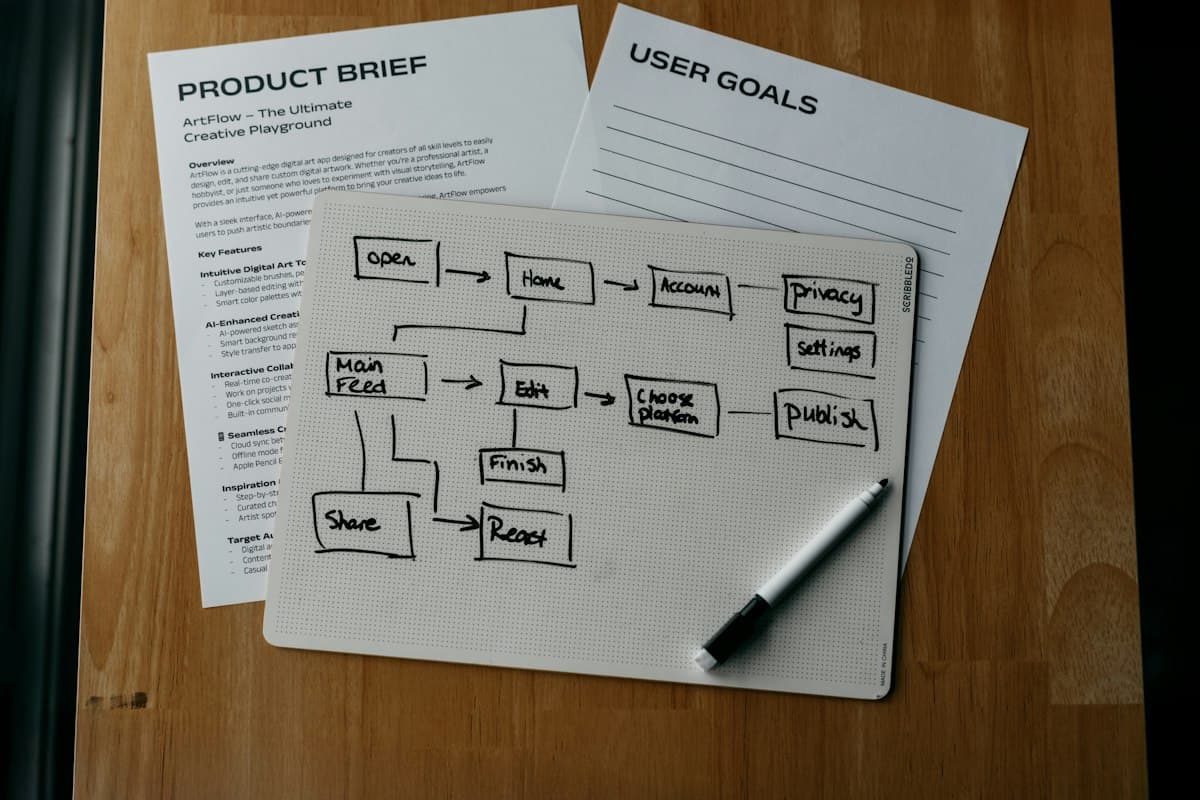
It gathers what a person would have looked up.
Pull in the context the decision needs from the tools you already pay for.
- Everything the decision needs
- CRM, inbox, sheets and calendar
- No re-typing between them
 02 · Enrich
- Step 3: Decide
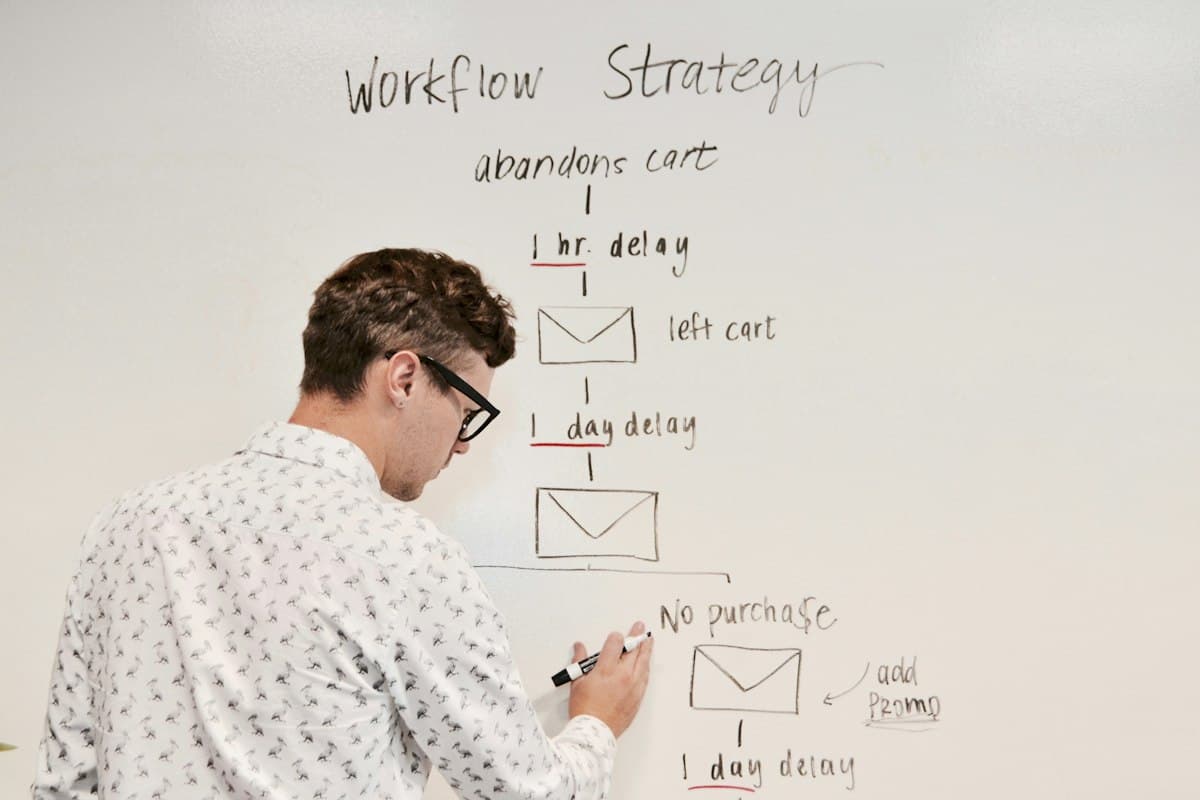
Easy calls are made instantly. Hard ones get judgement.
Fixed rules where the logic is stable, a model where judgement is needed.
- Clear rules run on their own
- Judgement calls go to an agent
- Unsure? It hands off to a person
 03 · Decide
- Step 4: Act
The reply goes out. The record is written.
Write to the CRM, send the reply, book the slot, file the document.
- Within minutes, not when someone checks
- In the tools your team already uses
- Every action logged
 04 · Act
- Step 5: Report
And if something breaks, you hear about it.
Logs, alerts and a hand-off to a person, so nothing fails quietly.
- An alert the same minute
- A person pulled in when needed
- A runbook your team can follow
 05 · Report
That is the whole run. Want it mapped to your business?
//In practice
What it looks like on an ordinary Tuesday.
Every enquiry answered while it is still warm.
Form fills are enriched, answered and logged in your CRM within minutes, not whenever someone next opens the inbox.

Paperwork that files itself.
Invoices and documents are read, checked and filed. Anything odd goes to a person instead of slipping through.

Nothing fails quietly.
When a step breaks, an alert lands the same minute, with a runbook your team can follow to fix it.
//What it is
What are AI Automation & AI Agents?
//What you get
Everything that ships with it
- 01
Lead capture, enrichment and instant follow-up
- 02
Documents, invoices and email processed for you
- 03
Internal agents for ops, research and reporting
- 04
Your CRM, inbox and sheets, finally connected
- 05
Monitoring, alerts and a runbook your team can use
//Questions
AI Automation & AI Agents, answered
An automation follows a fixed path: trigger, steps, result. An AI agent makes routine decisions inside that path, such as classifying a request, drafting a reply or choosing the next action, and hands off to a person when it is unsure.
n8n for orchestration, custom TypeScript or Python where the logic is complex, and whichever language model fits the task. Everything connects to the CRM, inbox, calendar and spreadsheets you already use.
Every workflow ships with logging, retries, alerts and a human hand-off, so a failure is visible within minutes and never silent. You also get a short runbook your team can follow.
Start where volume meets repetition and the rules are stable: the task done many times a week, the same way every time, by someone whose judgement is wasted on it. That is usually lead follow-up, data entry between two tools, or answering the same five questions. The discovery call and audit exist to find that task in your business rather than guess at it.
No, and a system built to do that tends to fail anyway. What it removes is the part of the day that needed no judgement: copying, chasing, re-typing, remembering. The work that needs a person is handed to a person, with the context already gathered. The honest framing is that the same team handles more without the day getting longer.
A discovery call, a questionnaire you fill in once, and a one-hour working session. After that the building is on us, with one check-in to confirm the logic matches how the work really happens. The one thing that cannot be outsourced is describing your own process accurately, which is exactly what the questionnaire is for.
//Next step